


You asked for it and we listened. In this column, we ask operators of all sizes and from all walks of the industry a question about their business and report their answers so you can assess how your own company compares to your peers. If you would like to participate, please email Rob Smentek at
TOPIC: What strategies are you using to control and manage your insurance premiums? How have you built a culture of safety?
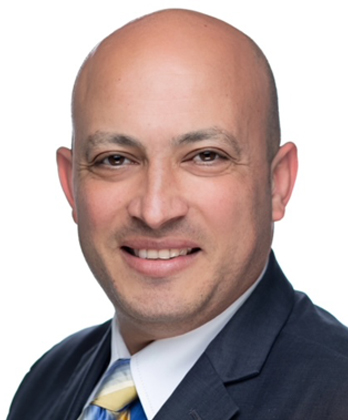 It starts with a proactive safety culture. We provide continuous training for all chauffeurs through our in-house program, PAX Training, and customer service standards. Our fleet is equipped with advanced telematics and AI-enabled cameras that help identify behaviors such as phone usage, distraction, drowsiness, and following distance. This real-time data allows us to coach and counsel chauffeurs immediately and correct issues before they become incidents.
We also maintain strict hiring and compliance practices, including pre-employment drug screening and ongoing random third-party testing. For new hires, we conduct early follow-ups to review camera and telematics insights and address any unsafe habits with additional coaching before they become routine and turn into bad behaviors.
Shady Azer, Vice President
Gem Worldwide in Woodbridge, N.J.
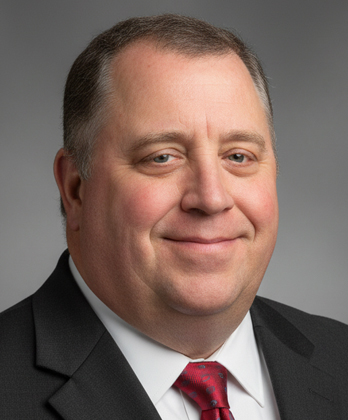 Controlling insurance costs really comes down to staying proactive. We keep things simple: We hire carefully, train consistently, and stick to a solid maintenance routine so we avoid problems before they ever turn into claims. We also use onboard dashcams, and they have been a big help. They let us review situations quickly, coach when needed, and protect both our chauffeurs and the company if something gets questioned.
As far as our safety culture, it’s part of how we operate every day. We talk often with our chauffeurs, address things early, and keep expectations clear. When everyone is on the same page, it keeps our loss history low and helps us maintain a smooth, safe environment for our team and clients.
Kirk Bagger, Corporate Travel Manager & CEO
Captains Car Service in Cleveland, Ohio
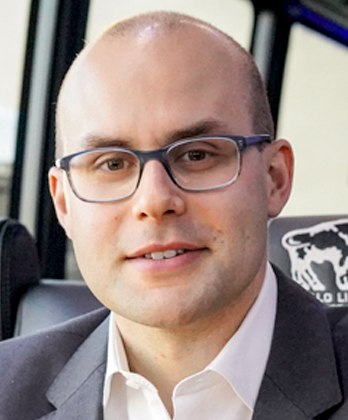 We were just accepted into a captive program, which will hopefully help us out in the long run. We do utilize telematics and monitor driving behavior. Unfortunately, we have not yet seen a discount (“subsidy”) for telematics but hope that a deal comes through soon. Ultimately, that would save us a few thousand dollars a year.
Nick Boccio, General Manager
Buffalo Limousine in Buffalo, N.Y.
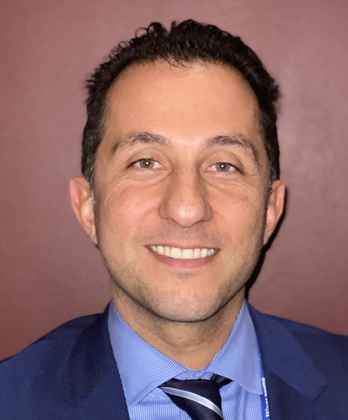 We invest in newer vehicles, keep up with maintenance, and are very selective with whom we hire. All our chauffeurs go through background checks, MVR reviews, and ongoing safety training.
For me, building a culture of safety is about communication and accountability. We review trips, monitor driving through telematics, and reward drivers who consistently operate safely. At the end of the day, our goal is simple: protect our passengers, protect our team, and keep our operation running at the highest standard.
Andy Bouayad, Owner
Fox Limousine Worldwide in Denver, Colo.
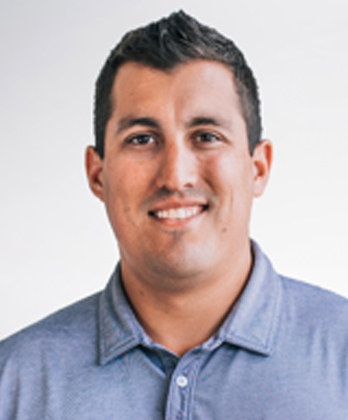 We are actively engaged in an insurance captive, sharing best practices with other large operators. A hands-on approach to managing not-at-fault claims has helped recoup precious capital to reinvest into our “safety incentive program.” Our chauffeurs are rewarded with a monthly safety bonus, or a percentage of their earnings, based on a Samsara score of 90 or above. The strict Samsara performance criteria are adjusted according to our market conditions and customer tendencies. In addition, Samsara will subsidize the system when a company’s performance metrics are achieved, leading to more savings.
Kevin Duff, President
Signature Transportation Group in Arlington Heights, Ill.
 As well as our extensive training program, we have made our chauffeur’s Christmas bonus an annual safety bonus. If a driver goes through the year without any vehicle damage or accidents the bonus gets paid. Since this was implemented two years ago, we have dramatically cut down on visits to the body shop.
Myles Flood, Owner
LfL Worldwide Chauffeur Services in Dublin, Ireland
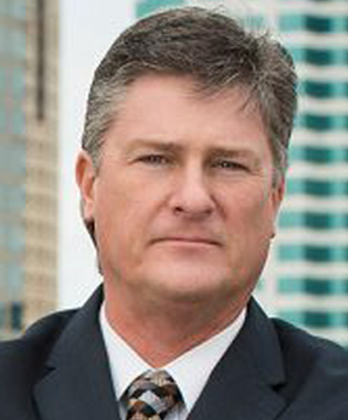 In the past year, I have purchased Raven cameras with AI technology to help me change driver behavior. We are slowly implementing increased restrictions and focus on each aspect of safely driving our clients. It was a huge eye-opener to see the number of bad habits and liability risks that existed without this technology! My thought was to create a competition between drivers for better safe driving scores. However, another operator that also does Amazon DSP said that the drivers would slowly lose interest even with monetary rewards. Amazon has a zero-tolerance policy that puts their jobs on the line for non-compliance. It’s the ultimate reward to keep their job that never loses its effectiveness!
Thomas Halsnik, CEO & Owner
Walsh Chauffeured Transportation in Tampa, Fla.
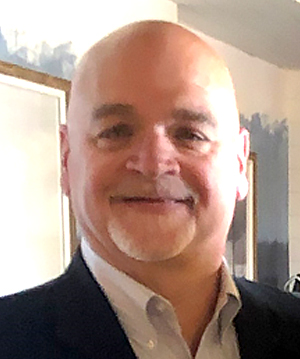 Creating a safety culture is a never-ending effort for every organization. Safety starts at the top and becomes a mindset; it’s a way to navigate your daily company life. Your safety culture must become a natural part of doing business for everyone in your company—from the way you maintain your vehicles to understanding how your employees view your company and the way of doing business. You set the standard, and your team carries the message to everyone involved.
Len Joseph, President
On The Town Limousines in Frederick, Md.
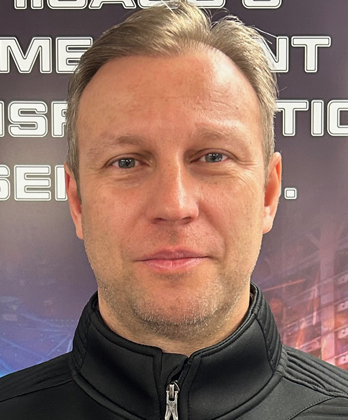 We’ve learned that, while many strategies help reduce exposure, what truly makes a difference in controlling premiums is how you handle incidents when they occur and how clean your loss runs are at renewal. As such, we regularly issue safety memos, conduct internal driver training refreshers, and share tips to avoid preventable incidents. We also invest in AI-powered driver-monitoring systems and cameras to enhance accountability and coaching. When accidents happen (and they will—it’s part of doing business), we act immediately. Drivers are trained to collect proper documentation at the scene—photos, witness statements, police reports—so we can assess liability quickly and accurately. If it’s clear our driver is at fault and the damage is minor, we almost always cover the repairs out of pocket. In fact, for many years, we have never once had to go through our insurance provider to cover repairs on our own fleet vehicles. That approach alone has had a huge impact on keeping our insurance rates low and our loss history clean. Furthermore, we’re very deliberate during renewal season. We assign agents to specific carriers to prevent market blocking and to ensure we get competitive quotes. Allowing multiple agents to shop blindly can limit your options and inflate prices.
Stefan Kisiov, President
K&G Coach Line in Park Ridge, Ill.
 We treat safety as a year-round discipline. When the weather turns wet, we send targeted reminders to keep conditions top of mind. Our monthly chauffeur meetings always include a segment on real accident consequences—financial, operational, and reputational—so the team understands exactly what’s at stake.
We also use advanced telematics through Raven Claw to gamify driving behavior. Scores feed into a structured incentive program where chauffeurs can earn bonuses for consistent safe-driving performance.
On the financial side, we’ve had to adapt to the new insurance reality. If we have an at-fault incident, we often absorb the cost directly up to a set threshold. It isn’t ideal, but using the policy for smaller accidents leads to harsher penalties later. Managing those hits internally has helped us stabilize premiums and reduce long-term exposure.
Modaser Nazir, Founder & CEO
Stay Classy Black Car Service in San Diego, Calif.
For us, safety is not just a requirement—it’s part of our company culture. Every operation, every vehicle, and every chauffeur reflects our commitment to the highest standards. Chauffeurs undergo continuous ongoing defensive-driving instruction, customer care training, and emergency-preparedness refreshers. Also, our operations team follows strict protocols for vehicle readiness, airport procedures, route planning, and traveler monitoring. In addition to being fully Insured and operating within Puerto Rico Public Service Commission (NTSP) regulations, we offer a new-model fleet that is maintained on strict schedules with certified mechanics. Each unit undergoes pre-trip inspections for brakes, tires, lights, air conditioning, and cleanliness. We also employ GPS and fleet-management systems to help ensure compliance with speed, safety, and routing.
Robert Rodríguez, President & CEO
First Class Destination Solutions in Carolina, Puerto Rico
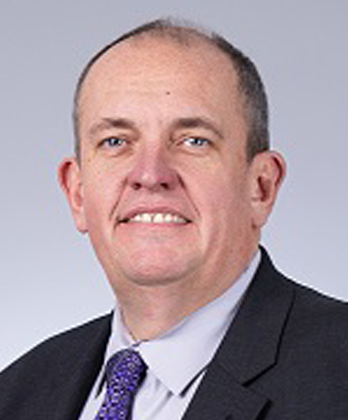 Some of the steps that we have taken to be more proactive include the use of telematics. We installed cameras in every vehicle and proactively monitor. The large initial investment pays dividends in the long run. Once you have the cameras, you must have policies and procedures in place to utilize them as a tool to curb bad behavior. These cameras often predict who will be the chauffeur that has the “big one.” Often, the most tenured and “best chauffeur” may turn out to be the biggest liability from an insurance perspective. Just remember, the camera never lies!
As owners and managers, we must adopt and live a safety culture within our businesses. This includes a comprehensive initial and on-going training programs that include all facets of driver training, safety, and customer service. We utilize the PAX Training Certification Program, which has been a game-changer for us. The program allows our team to go through the initial new hire training and weekly continual training. The weekly training is vital to refresh the team on the key points related to safety and service to enable our clients to experience best in class service while being delivered in the safest manner possible.
Furthermore we established a monthly safety incentive program, which has three different award levels and considers telematics scores, accidents, and customer service reviews.
Do not wait for renewal time to look over your losses. Meet with your carrier and your broker quarterly to review all claims and get an understanding of how they are managing your claims. If they know you are interested and taking an initiative-taking approach to loss control, this can only help your company. These meetings have been a big benefit for us being able to understand the claims management process and the claims settlement process used by carriers.
As a company, we have seen a dramatic shift in our chauffeurs taking ownership of their driving and customer service delivery because of the policies we have put in place.
Mike Rose, President
My Limousine Service in Mt. Olive, N.J.
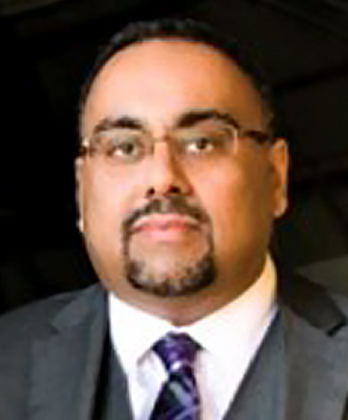 The no. 1 thing we can do is to control payouts on our vehicles following an accident. That is why we have a higher deductible now. It offsets a lot of the burden for our insurance provider. We have shops that we all know that can do a bit better in pricing since we have to pay upon completion.
Safety is always important. We reward our employees for safety and monitor their driving.
Jess Sandhu, Director of Operations
A&A Limousine & Bus Service in Kenmore, Wash.
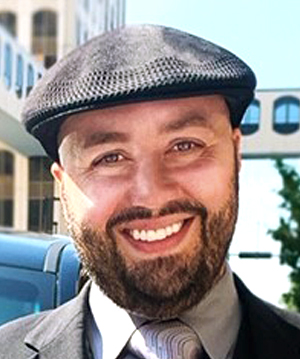 With the current insurance crisis in our industry, we are doing what we can with the tools available. Tools such as GPS and the implementation of cameras make sure vehicles and drivers stick to their duties without “side quests,” which can unnecessarily increase our exposure. Part of our training process is to put drivers in the back of our vehicles and have one of our top-level people drive them. We show them the difference between driving like they are using their own vehicle to running errands or take their kids to school vs. the slow and deliberate driving style of a chauffeur. It’s amazing what an impact that makes during training.
Quentin Shackelford, Owner
AllClassLimo.com in Wichita, Kansas
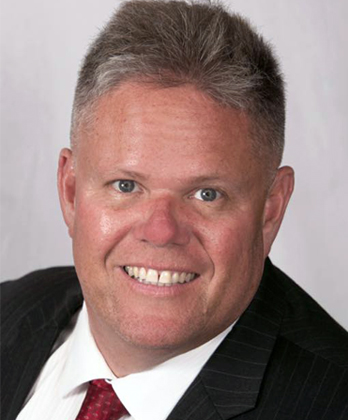 I can see that this year’s renewal is going to be a problem. We have already received notice of cancellation, which is a requirement when the premium increase is more than 10%. However, I believe that telematics is a big part to help curb costs, and we are always reminding our chauffeurs that these systems are in place. Of course, it’s the stupid, low-speed accidents that tend to be an issue. With lawsuits running rampant, and MRIs costing thousands, this will probably continue until there is some tort reform.
Douglas Schwartz, Founder & CEO
Executive Limousine in West Babylon, N.Y.
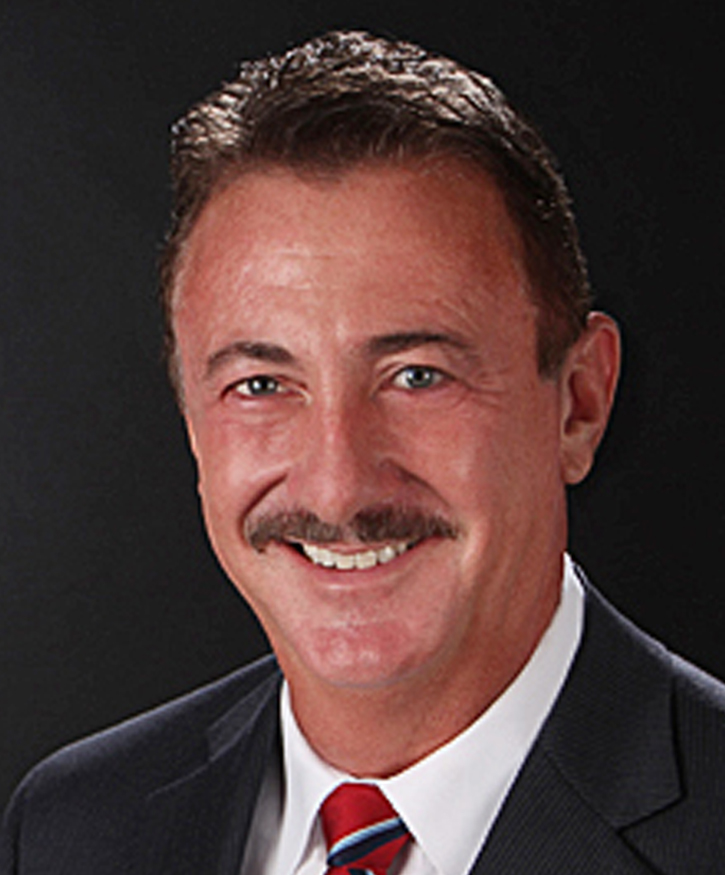 We control insurance premiums through driver training, safety audits, newer vehicles with advanced safety features, and telematics monitoring. We treat our insurance carriers as strategic partners, not adversaries—working collaboratively to manage risk and improve underwriting confidence. We pay smaller claims out of pocket, preventing unnecessary losses from hitting our insurance history and protecting our long-term premiums. Additionally, we voluntarily take higher deductibles, demonstrating financial responsibility and reducing the carrier’s exposure, which helps stabilize rates for our entire industry. Our proactive approach supports the case for a dedicated luxury ground transportation risk category, separate from taxis and TNCs.
Rick Versace, President & CEO
A1A Global Ground in Boca Raton, Fla.
 We actively manage our insurance premiums by prioritizing risk reduction and safety. We invest in regular chauffeur training, emphasizing defensive driving, adherence to speed limits, and customer care. Our dispatching system ensures drivers have adequate rest between assignments, reducing fatigue-related risks. We also conduct scheduled vehicle maintenance to keep our fleet in optimal condition, preventing breakdowns and accidents. Beyond these measures, we foster a culture of safety by encouraging open communication—drivers are empowered to report hazards or near-misses without penalty. Additionally, we use technology such as GPS monitoring to oversee driving behaviors, reinforcing accountability and continuous improvement. This proactive approach helps us control premiums while building trust and reliability in our service.
Amy Yan, Co-Founder & Managing Partner
AmyExpress in Hong Kong, China
We’ve loved hearing your answers to our benchmarking questions—but we always welcome suggestions for future topics, too!
Send an email to
[12.25]
