

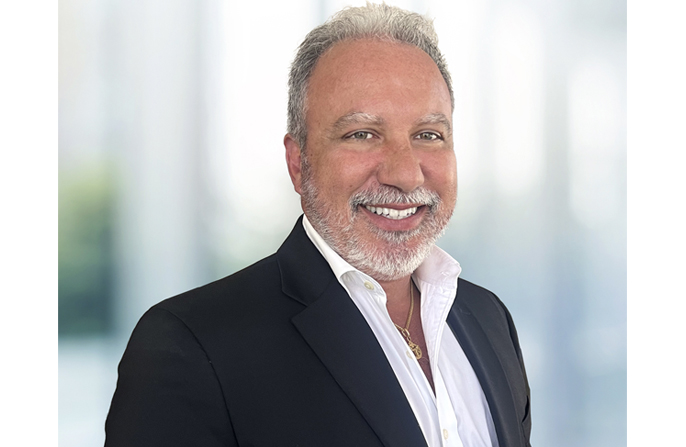
Based in Houston, TBL Group provides logistics management and transportation services across the US and Canada. Livery is a significant part of what TBL does, but the company is far more than that. The company’s expansion began in 2015 with the merger of AFC Transportation and Echo Transportation, forming one of Texas’ largest and most diversified coach providers. In 2016, TBL added Republic Equipment Works, a full-service paint and body shop for heavy-duty vehicles, strengthening its fleet maintenance capabilities.
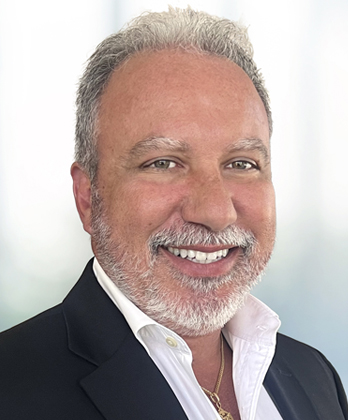 John Ferrari To name a few more: In 2023, TBL branched into the Southeast with Florida-based East Coast Transportation, then into Chicagoland with the acquisitions of Windy City Limousine & Bus and Chicago North Shore Limousine Group, now operating as Echo Windy City. Just last year, Reston Limousine, Kaptyn, and Presidential Limousine joined the jaw-dropping list of trailblazing heavy-hitters in the TBL family; which now has more than 1,200 employees systemwide.
Despite the organization’s rapidly expanding footprint and impact on various verticals within the industry, TBL Group President & CEO John Ferrari may not be as well-known as other industry leaders—and that’s just the way he likes it. Tapped to be a speaker on the CD/NLA Show’s State of the Industry panel last October, it was clear that he had plenty of advice to offer—and maybe even a bit more. We spoke with him about his organization, acquisition goals, and how he’s preparing for the future of chauffeured transportation.
Chauffeur Driven: Can you briefly explain who you are and what TBL Group does?
John Ferrari: TBL Group is a parent holding company with subsidiaries across the country—Chicago, D.C., Virginia, Las Vegas, Florida, Texas—and is growing aggressively year over year. We’re not just in the bus business. We’re in livery, motorcoaches, vans, minibuses, sedans, limousines, school buses—whatever fits our model. When we acquire a company, we look at people’s cultures and the health of the organization. More than anything, we’re all about people. We empower our people. People come first. They’re our front line, our back line, they’re everything. That’s why our slogan is “People Powered, Safety Driven.” Without safety, you don’t survive in this industry.
CD: How did you get involved in the industry?
JF: This is my 35th year in transportation. We started our first company in December 1991 with one limousine. At the time, we said we’d only buy one limo a year—and by the end of the first year we had seven vehicles and second year 15 and so on. We said we’d never do minibuses, never do school buses, never buy motorcoaches. Then in 1999 we bought our first motorcoach. My last order was over 40 coaches at once. Today we’re approaching 1,000 vehicles.
CD: Did you always plan to be in transportation?
JF: I came from a family restaurant business and started working when I was 13. I loved people, but I didn’t want to be stuck between four walls. Transportation gave me people, challenges, and variety. It’s been a wonderful fit for me. I don’t care for the spotlight or glamour; I’ve flown under the radar for more than 30 years.
CD: You weren’t always big on affiliate work. What changed?
JF: The acquisition of Windy City changed my mentality. Windy City is a very strong, powerful name in the industry. They’ve been around for a very long time, and they’ve mastered the affiliate and IO network. They showed me that you can do both—direct clients and affiliates—and help other companies succeed. Now we work with affiliates all over the world.
CD: Since you’ve mentioned acquisitions, buying companies has become an effective way of growth for your organization. How do you keep consistency among the different brands and markets?
JF: We have phenomenal people at every single location. Every company we acquired already had great teams that had been there for decades, and they were willing to stay on board and grow with our vision.
CD: You’ve acquired many well-run companies with very smart owners. What have you learned from these operations?
JF: We don’t know it all, and these companies all have their own special characteristics and things that they do. Different regions do things differently. But the beautiful part is we bring everyone together, share best practices, and adopt what works best systemwide. We just had our national retreat where all the managers, VPs, and presidents get together in a room and discuss what’s working and what’s not. It was fantastic watching everybody come together for such important dialogue.
CD: Were there any acquisitions that surprised you by how well they worked?
JF: Every single one has exceeded our expectations. That only happens when teams embrace the culture and vision with an open mind.
CD: With such a great success rate, what advice could you offer buyers and sellers?
JF: For buyers: Do your due diligence. Don’t just listen—understand the business line by line and watch how they treat customers.
For sellers: You need to be comfortable with who’s acquiring you. This is your baby, and seller’s remorse is real. You want your vision and people taken care of.
CD: How has merging technologies across all of your companies gone?
JF: I’m happy to say it’s been about 90% smooth sailing. The other 10% are people stuck in old ways, but they also want the best for the organization to promote growth. But once they understand and they see the vision, then they slowly maneuver into it.
CD: Operating school buses is an interesting niche. How did you get into it?
JF: We operate school buses mainly in Houston. We’ve had those relationships for 20 years. Buses are more cost-effective for schools to outsource ... and integrate well with extracurricular transportation.
CD: What do you think have been the biggest impacts to the industry over the years?
JF: Technology and regulations are probably the biggest. Everything used to be written in a book. Now things change constantly—ELDs, Clearinghouse rules, laws. Technology is changing by leaps and bounds—and changing us too. The laws have evolved tremendously, and so it takes a lot out of you staying on top of every single one, every single year. Now, everything is moving in the blink of an eye. If you don’t go with the times, you’re setting yourself up for potential failure.
CD: How do you attract and retain employees today?
JF: Flexibility, compensation, and benefits like medical. This is a very tough business because every asset you have on the road requires human capital. Drivers have an extremely hard job. They’re responsible for people’s lives, constantly anticipating the unexpected. Some think drivers just sit there doing nothing behind the wheel—that’s baloney. They must be disciplined, focused, have full 360-degree vision at all times, and expect the unexpected. That’s a lot to handle at once, and they deserve respect.
CD: What’s your view on autonomous vehicles?
JF: They’re definitely coming—cars faster than buses but you already have autonomous shuttle vans holding six, seven, or even nine people that are operating at universities around the country, mostly on a fixed route. But larger vehicles aren’t far behind. Our industry needs to pay attention.
CD: Assuming AVs take care of the “safety” part of your slogan, how do you satisfy that with “people powered?”
JF: So autonomous vehicles just move from point A to point B. That said, you’ll always need people—meet and greets, coordinators, customer service. A 10,000-person group movement still requires humans, maybe eventually not to drive but to assist them along the way. Drivers for sedans may eventually go away, but buses are much farther out.
CD: What technology will be most impactful in the next five years?
JF: AI. Jump on the AI bandwagon and infuse it into every aspect of your business right now. It’s only going to grow bigger and more diverse in the future. Those who don’t utilize it will absolutely fall behind.
CD: What are you most proud of?
JF: My family. My wife Stephanie, my daughters Gianna and Angelina, son Johnny, and grandson Carter.
CD: What isn’t the industry talking about enough?
JF: Insurance rates will be the number one killer of small companies, although rates have gone through the roof for everyone. We need to come together legislatively.
CD: Any advice for small operators today?
RV: Don’t forget the core reason why you’re in this business—safe, reliable, luxury transportation with customer service, professionalism, and respect for people. Most importantly, it’s about the people. [CD0326]
