
BY PAUL PASTERNAK
Editor’s note: This article focuses on federal regulations governing the safe transportation of child passengers in commercial and for-hire vehicles. While child safety should always be paramount, regardless of who is providing the equipment, be sure to check your state and local laws, which dictate the specific types of accommodations that must be made.
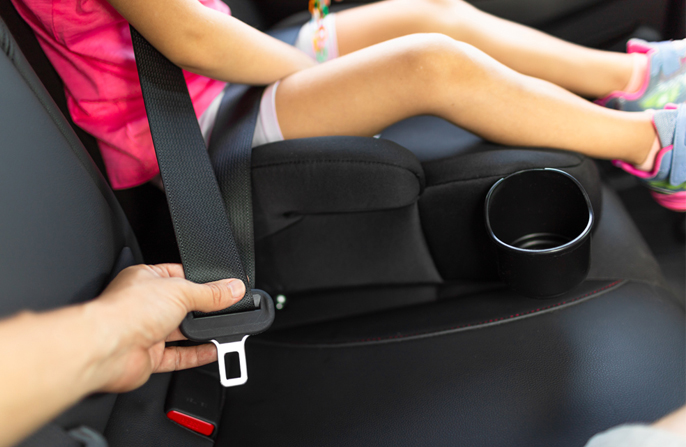
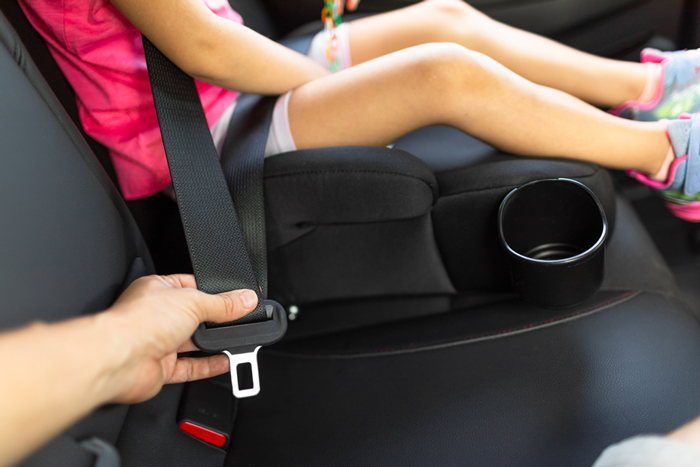 Child passenger safety is often associated with state and local laws, but at its foundation lies a strong federal framework that directly impacts the chauffeured ground transportation industry. While state law dictates when a child must ride in a car seat, federal law clearly defines what constitutes safe, compliant equipment and vehicle systems when children are transported. These federal standards underpin the safety guidance shared by the National Highway Traffic Safety Administration (NHTSA), Safe Kids Worldwide, and the National Safety Council, which serve as critical reference points for professional operators.
Through the Federal Motor Vehicle Safety Standards (FMVSS), the US Department of Transportation (USDOT) regulates the design, performance, and labeling of child restraint systems, seat belts, and anchorage points used in passenger vehicles, including those commonly used for taxi and limousine operations. Standards such as FMVSS 213 (Child Restraint Systems) and FMVSS 225 (LATCH anchorage systems) ensure that car seats and boosters are engineered to protect children in a crash, while FMVSS 208, 209, and 210 govern occupant protection, seat belt assemblies, and anchorage strength.
 Did You Know?
❱ Car seats have expiration dates, typically six to 10 years from the date of manufacture
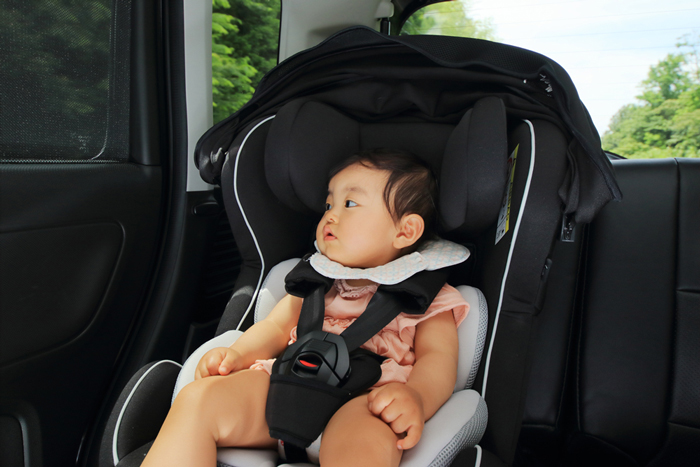
❱ The six commonly recognized commercial categories of conventional child restraint systems:
1. Infant (Rear-Facing-Only) Seats
2. Convertible Seats (rear-facing — forward-facing)
3. Forward-Facing-Only Seats (with harness)
4. Combination Seats (forward-facing harness — booster)
5. All-In-One Seats (rear-facing O forward-facing — booster)
6. Booster Seats (high-back or backless)
❱ Federal data show that child restraint systems—when used correctly—significantly lower the risk of fatal injury. NHTSA estimates that properly used child seats reduce the risk of death by about 71% for infants younger than one year old and about 54% for toddlers ages 1-4 in passenger cars. tinyurl.com/3nb39euw
❱ Motor vehicle crashes are still a leading cause of death for children in the US, and proper restraint use makes a dramatic difference, according to the Centers for Disease Control and Prevention (CDC). In 2022, 599 children ages 12 and younger were killed in passenger vehicle crashes, and more than 106,000 were injured. Of the children whose restraint status was known, 35% of those killed were unrestrained at the time of the crash. tinyurl.com/2t7rpp2h
For operators, this means that any child restraint provided or installed must meet federal safety standards, be used exactly as labeled, and be compatible with the vehicle’s restraint systems. Incorporating these federal requirements into fleet policies, chauffeur training, and recall monitoring programs allows operators to elevate safety, reduce liability, and demonstrate a clear commitment to protecting the youngest passengers—every ride, every time. [CD0326]
Paul Pasternak is Director of Affiliate Relations and the Child Safety Program at Legends Limousine Worldwide. He can be reached at

