


BY TOM HOLDEN
Editor’s note: This article focuses on the physical demands placed on chauffeurs, but it does not address the mental toll that they face. Driving is often dismissed as a passive activity, but Dr. Paul Atchley, who recently spoke at the CD/NLA Show about distracted driving, addresses those challenges on page 26.

In the luxury ground transportation industry, chauffeurs are the backbone of seamless client experiences, whether driving a sleek sedan, a spacious SUV, or a large bus. However, the job’s physical requirements—extended periods of sitting, frequent lifting of luggage, and long hours that can lead to fatigue—pose significant health risks. These challenges not only affect individual well-being but also impact operational safety and efficiency. This article explores these key issues and delves into Human Performance Evaluations (HPEs) as a proactive solution, drawing on real-world examples from clinical assessments to highlight their value in maintaining a healthy workforce.
The Perils of Prolonged Sitting
Chauffeurs often spend hours in the driver’s seat, navigating traffic or waiting for clients, which subjects them to prolonged sedentary behavior. Research indicates that professional drivers face heightened risks of musculoskeletal pain, sleep disorders, and reduced physical activity compared to the general population. For those operating sedans and SUVs, the confined space can exacerbate poor posture, leading to chronic back pain, sciatica, and nerve issues like compressed spinal disks. Bus drivers, who often handle larger vehicles with increased vibrations, are particularly susceptible to low back pain and neck-shoulder complaints due to prolonged static sitting positions.
Beyond musculoskeletal problems, extended sitting contributes to broader health concerns such as weight gain, heart disease, hypertension, and deep vein thrombosis (DVT). A systematic review of occupational sitting found associations with higher risks of diabetes and mortality.
“Unlike standard medical exams, HPEs focus on an individual’s ability to perform job-specific tasks safely, ensuring they meet the physical, mental, and functional requirements ...”
So how can we help chauffeurs achieve better well-being? Owners should encourage chauffeurs to incorporate micro-breaks for stretching, adjust their seats for optimal ergonomics (e.g., adding lumbar support), and engage in regular exercise outside of work hours. Employers can support this by providing ergonomic training and encouraging active lifestyles.
Lifting and Load Management
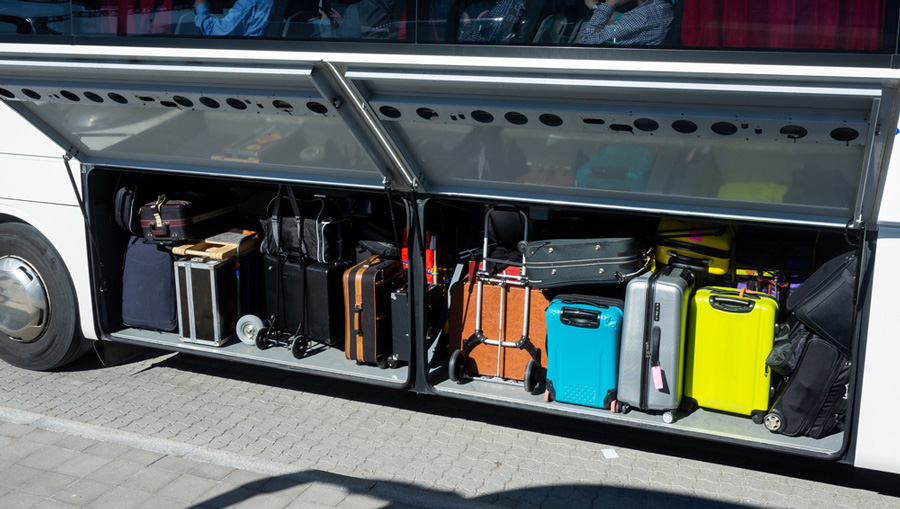
Handling luggage, mobility devices, and passenger assistance requires strength, balance, and proper lifting mechanics. Common risk factors include:
❱ Twisting while lifting
❱ Uneven or unexpected loads
❱ Lifting from awkward trunk positions
❱ Fatigue-related form breakdown
Improper lifting techniques are a leading cause of acute injuries among chauffeurs, particularly to the lower back and shoulders.
 Combating Driver Fatigue
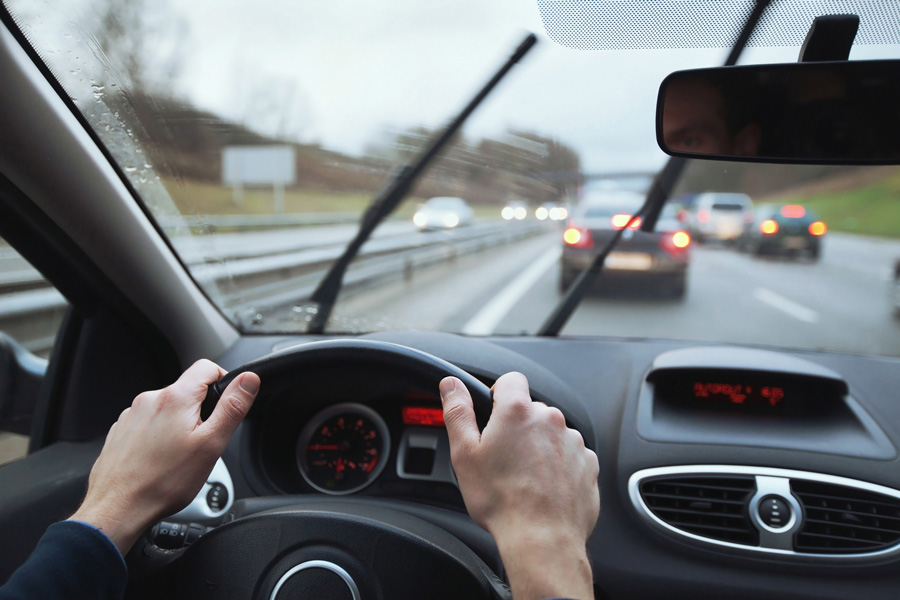
 Fatigue is a silent threat in the chauffeur industry, where irregular schedules, night shifts, and long routes for sedans, SUVs, or buses can impair judgment and reaction times. Causes include inadequate sleep, extended hours, monotonous driving, and non-work stressors. Symptoms manifest as yawning, difficulty concentrating, missed signs, or micro-sleeps—brief lapses that can be deadly.
Human Performance Evaluation: A Key Tool for Safety and Fitness
To address these physical demands holistically, many transportation companies turn to Human Performance Evaluations (HPEs), a specialized form of occupational health assessment that is more rigorous than just a medical card. Unlike standard medical exams, HPEs focus on an individual’s ability to perform job-specific tasks safely, ensuring they meet the physical, mental, and functional requirements of roles like chauffeuring sedans, SUVs, or buses. Conducted by occupational therapists or physicians, these evaluations are often pre-employment, post-injury or following an extended absence (return-to-work), or periodic, helping to prevent injuries, reduce workers’ compensation claims, and ensure compliance with regulations such as those from the Department of Transportation (DOT). Further, chauffeurs weren’t merely tested with these activities; they were given specific techniques to avoid injury.
HPEs are customized to the job. For drivers, they typically test lifting capacities, push/pull forces, climbing, repetitive postures, and endurance—directly tying into the sitting, lifting, and fatigue issues discussed. Benefits include identifying vulnerabilities early, improving employee safety, and boosting productivity by matching workers to suitable roles. In the chauffeur industry, where handling luggage or accessing vehicle compartments is routine, HPEs can identify risks such as inadequate strength for lifting 50-pound bags or poor endurance for prolonged driving.
Real-world examples from clinical settings illustrate HPEs in action. One assessment for a paratransit driver/operator role, conducted by Concentra Physical Therapy, evaluates tasks such as a 50-pound lift-carry from floor level to 24 inches and horizontally transferring it 80 feet (twice), pushing 100 pounds of force over 20 feet, and climbing a 10-inch step four times. It also includes repetitive forward bending and upper body endurance tests, with pass/fail scoring to ensure daily safety. The candidate must affirm their ability to perform these regularly, emphasizing self-assessment.
Another example, for a light rail operator (analogous to bus driving), includes vertical lifts of up to 75 pounds, multiple push-pull tasks, climbing 20-inch steps, and ambulatory tests over obstacles, simulating real-world demands such as vehicle access and emergency responses.
 A third, which I originated and partnered with Concentra of Charlotte for my former Charlotte transportation company’s pre-placement/return-to-work evaluation, focuses on chauffeur-specific activities: Lifting 50 pounds from ground to trunk height (across a 12-inch bumper threshold), carrying 25 pounds over 250 feet, pushing 42 pounds to open a hood, climbing 16-inch bus steps, and navigating confined spaces (e.g., 29x30 inches for limousines). These tests, repeated in timed sets, mirror luggage handling for sedans, SUVs, or buses, ensuring candidates can manage client needs without risk of injury. Implementing these groundbreaking standards, HPEs involve partnering with physical and occupational therapy providers like Concentra, where costs vary but yield long-term savings through injury prevention. For smaller operations, starting with baseline assessments for new hires can be transformative, as it integrates results into training programs. Overall, these types of programs protect all parties involved—from the chauffeur doing the work, to the owner trusting that they are up to the job, to the insurance company that would be subject to any claims.
 Final Thoughts
The physical toll of chauffeuring—from sedentary strain to lifting hazards and fatigue—demands proactive management to safeguard drivers and passengers. By prioritizing ergonomics, proper techniques, and rest, operators can mitigate these risks. Human Performance Evaluations stand out as a comprehensive strategy, offering tailored insights that enhance safety and performance. As the industry evolves, embracing HPEs isn’t just good practice; it’s essential for sustaining a resilient workforce in 2026 and beyond. Consult occupational health experts to tailor these tools to your fleet. [CD0226]
Tom Holden is the Owner and CEO of Transportation Advisors and EZ-DrugTest. He can be reached at

