


BY JOE GUINN
If you’ve reviewed enough crash footage from dashcams, you start seeing the same thing over and over. It’s usually not some dramatic mistake, but a small lapse (or a series of them).
❱ A driver rolls into an intersection on a green light. They have the right of way. They get hit anyway. However, when you slow the video down, you notice there was no left-right scan before entering. Green doesn’t mean go—it means look.
❱ Or the highway rear-end collision. Traffic tightens up ahead. Brake lights come on five vehicles up. The driver is watching only the bumper in front of them. No early lift off the throttle. No space cushion. By the time they react, it’s too late. The system logs it as “following distance.” The real issue was scanning.
❱ Or the lane change where nobody checked mirrors in rhythm. No shoulder check. Just drift and move.
When you watch enough of these, you realize something important: While impact happens in one second, the mistake usually starts about 10 seconds earlier. That’s where owners and managers need to focus.
What Situational Awareness Really Means
We throw that phrase around a lot, but how does it actually translate behind the wheel?
It looks like a driver who is constantly scanning and monitoring far enough ahead to see problems forming and glancing at mirrors every few seconds to know who is behind them and who is drifting next to them.
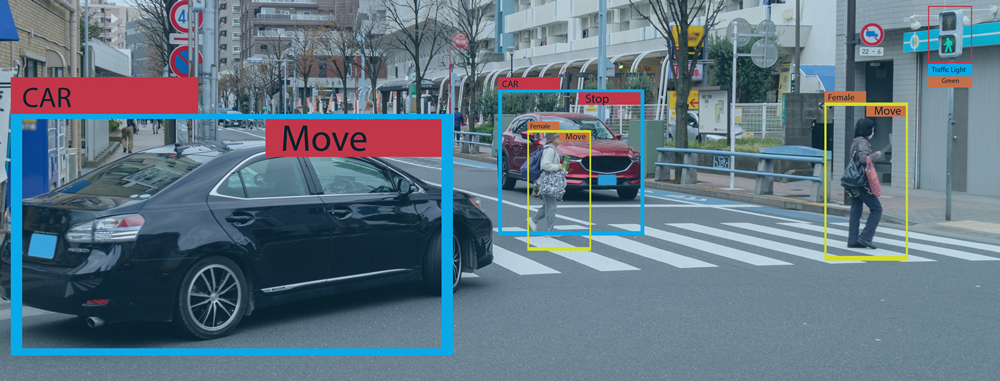 Situational awareness looks like giving yourself space. That means three seconds minimum in normal conditions at slow speeds and five seconds at highway speeds. More room is needed in bad weather or traffic. Space is not a weakness that allows others an advantage over you. Space gives you options. When someone enters your space, let them have it and give them more.
It looks like intersection discipline. Even with a green light, you look left, then right, then left again. You don’t trust the signal more than your eyes.
Aware drivers have an exit plan. If traffic stops right now, where do you go? Shoulder? Gap? Adjacent lane? If there is no answer, you’re boxed in. Know what you will do in an emergency; don’t let others decide for you.
These are habits. And habits can be trained.
Where Cameras Come In
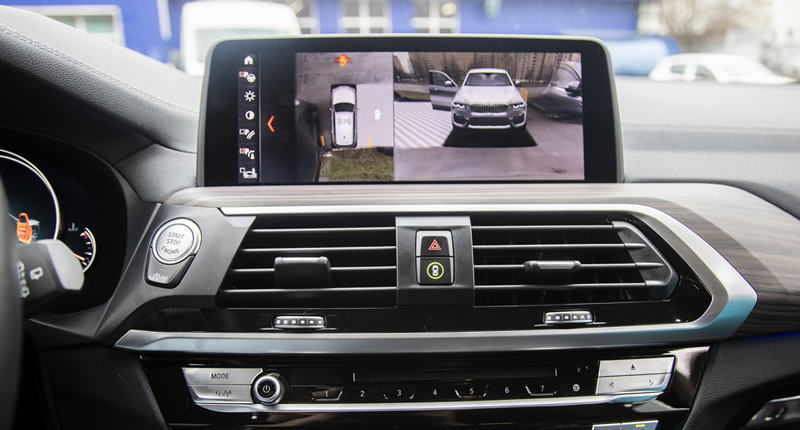
Dashboard cameras from companies like Samsara and Raven are useful tools. They can flag the following distance, detect lane departure, and warn about forward collision risk. But let’s be honest, if they’re not installed correctly or tuned properly, they become noise. And once they become noise, drivers stop listening.
I’ve seen fleets turn everything on at once: tailgating alerts in heavy city traffic, lane departure in construction zones, and on top of that, the sensitivity is set too tight. Drivers get hammered with alerts that don’t make sense. Managers get a dashboard filled with hundreds of alerts a day. Within a week, the alert tones mean nothing, which means that the one alert that matters will be ignored, too.
That’s not just a driver failure. That’s a management failure.
Calibration Is Not an IT Task
If you’re going to run camera systems, you must own the setup. Mount them consistently in the same position and same angle. Don’t let your installer eyeball it. Make sure the camera actually sees the road correctly. Ensure the tint strip doesn’t block the view, minimize potential glare, and isn’t obstructed by stickers or other equipment, such as toll tags.
If the system allows vehicle-specific settings, use them. A high passenger bus and a low van are not the same. Don’t pretend they are.
Roll alerts out in stages. Log events first, watch them, see if they make sense, and then turn on in-cab alerts slowly. Every week, pull a sample of events and ask one simple question: Was this useful? If it wasn’t, fix the system before you coach the driver.
How to Talk to Drivers About This
Delivery is where good intentions can be ruined. You can have the best equipment in the world, but if the first conversation feels like a courtroom, you’re done. Drivers know when they have messed up. You don’t need to play prosecutor.
Sit down. Play the clip. Let it run once without talking. Then restart it again 10 seconds before the alert. That’s usually where the real story is.
Don’t start with, “You were tailgating.” Start with, “What were you seeing here?” Make them think. If traffic had stopped right here, what was your move? “If someone had blown a tire in that lane, where were you going?”
You’re not trying to trap them. You’re trying to train their eyes.
Same with lane drift. Instead of, “You crossed the line,” try, “Walk me through what was happening in the cab right here.” Fatigue? Phone? Construction confusion? Just boxed in?
The goal is to build awareness and stronger skills, not to build a file. If every review turns into points and penalties, drivers shut down. If every review turns into better decision-making, drivers lean in.
The Bottom Line About This
Cameras don’t prevent crashes—drivers do. The camera just gives you and the chauffeur a chance to rewind and see where awareness slipped and how it can be handled differently.
Most wrecks don’t come out of nowhere. They usually start with something small: A little less space than there should be, eyes that stop moving, a moment where we assume everything will keep flowing like it has been.
That’s the part you can fix.
Train your drivers to look farther ahead than the bumper in front of them. Train them to guard their space like it matters. Train them to treat every green light like it still requires a look. Then make sure your system is set up so alerts actually mean something. Less noise means more clarity. If your drivers see more, you’ll pay less.
With a little time, you can also take these clips and one-on-one training and turn them into your own customized defensive driving training course. [CD0326]
Joe Guinn is the Owner of Limo & Bus Compliance. He can be reached at

