

BY MARK KINI
I recently attended the wake for the wife of one of my favorite employees, who passed away after a long and courageous battle with cancer. I have been to many wakes in my life, but I have never experienced anything like this one. The line stretched out the door, climbed two full flights of stairs, and wrapped around a long hallway. People waited for nearly two hours just to pay their respects.
“Whether it’s holding the door for a stranger, checking in on a friend, or offering a helping hand, small good deeds create ripples far beyond the moment in which they occur.”
As I stood in line, I spoke with her friends, coworkers, family members, and former students. Again and again, I heard the same stories. They didn’t talk about grand achievements or public recognition; they talked about her kindness. About how selfless she was. About the small, thoughtful gestures she made every day without expecting anything in return.
She would buy the next person in line an ice cream cone. She’d bring a small gift to a coworker who was having a rough day. She made her students feel seen and valued. These were not headline-making acts—but they were life-touching ones. Clearly this was no ordinary wake. The overwhelming turnout was a testament to a woman who quietly made the world better, one small good deed at a time.
Small Deeds, Big Impact
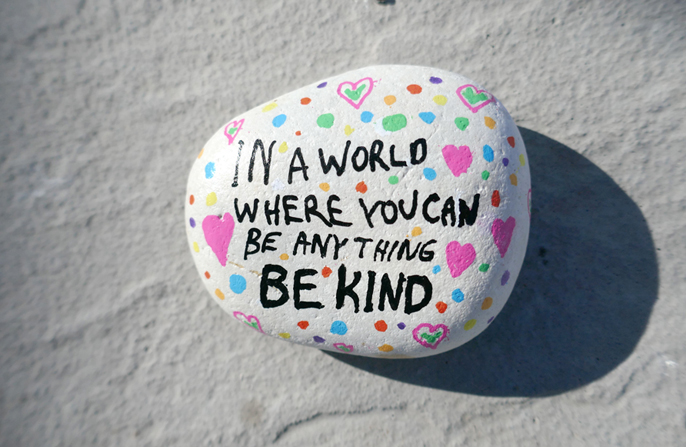
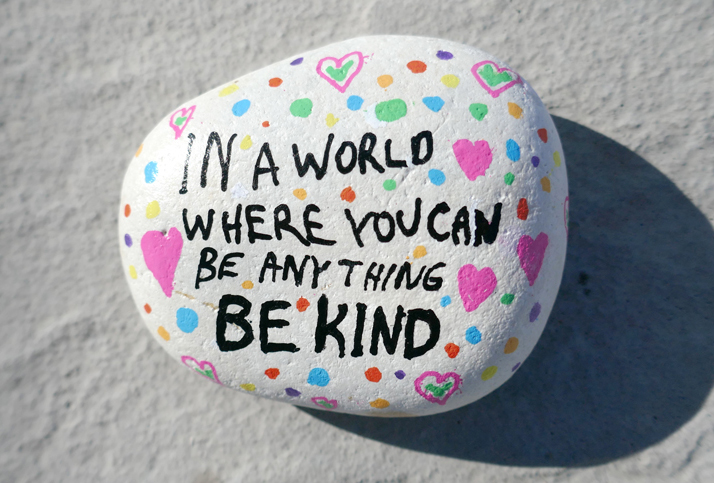
In a world that often feels fast-paced and demanding, it’s easy to underestimate the power of simple acts of kindness. Whether it’s holding the door for a stranger, checking in on a friend, or offering a helping hand, small good deeds create ripples far beyond the moment in which they occur. They build connection, foster trust, and remind us of our shared humanity.
From a physical health standpoint, kindness has real benefits. Acts of giving and compassion trigger the release of oxytocin and endorphins—hormones that reduce stress, lower blood pressure, ease pain, and promote overall well-being. Over time, these effects can support heart health, strengthen the immune system, and help the body cope better with stress.

Mental Health Benefits of Giving
Kindness is just as powerful for the mind. Helping others shifts attention away from our own worries and creates a sense of purpose. It can reduce feelings of anxiety and depression and replace them with meaning and accomplishment. Many people experience what’s known as a “helper’s high”—a boost in mood and motivation that follows acts of generosity.
When we give, the brain’s reward system is activated in much the same way it is when we experience joy. This reinforces positive behavior, builds resilience, and encourages optimism. Simply put, doing good feels good—and that feeling matters.
Emotional Well-Being and Connection
Emotionally, good deeds nourish the heart. They strengthen empathy, compassion, and self-worth. Knowing that something you did—no matter how small—made someone else’s day better creates a deep sense of fulfillment. Larger acts of generosity, such as volunteering time or supporting someone through hardship, often lead to lasting emotional bonds. These connections reduce loneliness and isolation, which are increasingly recognized as serious health risks. Kindness reminds us that we belong—to a community, to one another, and to something greater than ourselves.
The Ripple Effect of Kindness
Perhaps the most powerful aspect of kindness is how contagious it is. When people witness generosity, they are more likely to pass it on. One small act can inspire many more, creating stronger, healthier, and more compassionate communities. That is what I witnessed during that wake—a life defined not by wealth or status, but by consistent, quiet kindness. Her legacy lived on in the stories people shared, in the tears they shed, and in the long line of lives she had touched.
A Simple Path Forward
Doing good doesn’t require special skills, extra money, or grand plans—only intention. Small, consistent acts of kindness add up. They improve physical health, support mental clarity, and strengthen emotional well-being. And sometimes, as I was reminded that day, they leave a legacy that fills a room long after we’re gone. Do one small good deed today—no recognition needed. You never know how far it will go. [CD0226]
Mark Kini is the President & CEO of Boston Chauffeur. He can be reached at
Follow Mark on Instagram: bostonfitexec.
